
5 Best Great Illustrated Classics to Start With in 2026
As an Amazon Associate, this website earns from qualifying purchases.
The short answer
Start with the 8-volume boxed set for a ready-made shelf, or Treasure Island for an adventure-first reader. Move to the full text later.
Last updated September 2026
Contents13
- #1. Great Illustrated Classics 8-Volume Boxed Set: Best way to start a full shelf
- #2. Treasure Island: Best adventure pick
- #3. Around the World in Eighty Days: Best pick for a reluctant reader
- #4. Little Women: Best pick for character-driven stories
- #5. Black Beauty: Best pick for animal-loving readers
- Factors to consider when choosing great illustrated classics
- What "abridged" actually means for Great Illustrated Classics
- Who Great Illustrated Classics actually suits
- How it compares to an unabridged edition
- What a parent or gift-buyer should check before buying
- Where it fits in a reading path
- Move from the abridgement to the original
- Verdict
Our top 5 picks
- 1Best way to start a full shelf
 Great Illustrated Classics 8-Volume Boxed Set
- Eight illustrated hardcover adaptations for young readers
- Sold together in a slipcase box
- Abridged retellings, not the full original texts
- 2Best adventure pick
 Treasure Island (Great Illustrated Classics)
- Adapted from Robert Louis Stevenson's 1883 novel
- Great Illustrated Classics hardcover
- Abridged for young readers
- 3Best pick for a reluctant reader
 Around the World in 80 Days (Great Illustrated Classics)
- Adapted from Jules Verne's 1872 novel
- Great Illustrated Classics hardcover
- Abridged for young readers
- 4Best pick for character-driven stories
 Little Women (Great Illustrated Classics)
- Adapted from Louisa May Alcott's 1868 novel
- Great Illustrated Classics hardcover
- Abridged for young readers
- 5Best pick for animal-loving readers
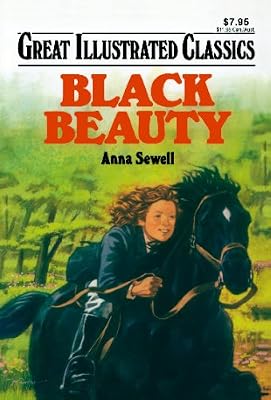 Black Beauty (Great Illustrated Classics)
- Adapted from Anna Sewell's 1877 novel
- Published by Waldman, the Great Illustrated Classics publisher
- Abridged for young readers
Great Illustrated Classics is a series of roughly 66 titles. Waldman Publishing Corporation publishes it under its Baronet Books imprint. Each title adapts a well-known classic novel for younger readers. Every hardcover volume uses large print and an illustration on close to every other page. The text itself is rewritten in simple language, not lightly trimmed from the original.
TL;DR: Great Illustrated Classics retells classic novels in simple language for readers aged about 8 to 12, with large print and lots of pictures. The 8-volume boxed set is the easiest way to start a shelf. For a single title, adventure and animal stories such as Treasure Island and Black Beauty adapt best, and Little Women suits a character-driven reader. Use it as a bridge to the full book, not a substitute for it.
We picked the boxed set for readers who want several titles at once, plus four single volumes that cover the range of what the series does well: adventure, a reluctant-reader pick, a character-driven family story and an animal story.
#1. Great Illustrated Classics 8-Volume Boxed Set: Best way to start a full shelf
Great Illustrated Classics 8-Volume Boxed Set
Our verdict:
Best way to start a full shelf
Best for families who want several titles ready to go on day one.
View on Amazon- Eight illustrated hardcover adaptations for young readers
- Sold together in a slipcase box
- Abridged retellings, not the full original texts
Keep in mind: the set doesn't let you pick specific stories, so a title or two may not match the reader's interests.
Product details checked September 2026
Eight illustrated hardcover titles arrive together in a slipcase box. It's the fastest way to fill a shelf with the series' large print and pictures. It suits a family that plans to work through more than one title anyway.
#2. Treasure Island: Best adventure pick
Treasure Island (Great Illustrated Classics)
Our verdict:
Best adventure pick
Best for readers who want a fast-moving pirate story as their first pick.
View on Amazon- Adapted from Robert Louis Stevenson's 1883 novel
- Great Illustrated Classics hardcover
- Abridged for young readers
Keep in mind: it keeps Stevenson's plot but loses most of his original prose style.
Product details checked September 2026
Robert Louis Stevenson's 1883 novel, free in full on Project Gutenberg, was always built on action and pace, not prose style. That's why it survives the simplifying well. It's one of the two titles here that adapt most comfortably to the series' short, simple sentences.
#3. Around the World in Eighty Days: Best pick for a reluctant reader
Around the World in 80 Days (Great Illustrated Classics)
Our verdict:
Best pick for a reluctant reader
Best for readers who want nonstop plot with little slow description.
View on Amazon- Adapted from Jules Verne's 1872 novel
- Great Illustrated Classics hardcover
- Abridged for young readers
Keep in mind: it's abridged like the rest of the series, so Verne's original detail and humor are mostly gone.
Product details checked September 2026
Jules Verne's 1872 novel moves from city to city on a bet against the clock. Like Treasure Island, its appeal was always speed over style. That makes it an easy sell to a reader who isn't sold on classics yet.
#4. Little Women: Best pick for character-driven stories
Little Women (Great Illustrated Classics)
Our verdict:
Best pick for character-driven stories
Best for readers who want a family story with more character than plot.
View on Amazon- Adapted from Louisa May Alcott's 1868 novel
- Great Illustrated Classics hardcover
- Abridged for young readers
Keep in mind: dialogue-heavy, character-driven novels like this one lose more in a simplified retelling than an adventure story does.
Product details checked September 2026
Louisa May Alcott's 1868 novel follows four sisters growing up during and after the Civil War. It asks more of the retelling than a pure adventure title, since the book's strength is the sisters' voices, not just plot. Even so, it remains a common favorite first pick.
#5. Black Beauty: Best pick for animal-loving readers
Black Beauty (Great Illustrated Classics)
Our verdict:
Best pick for animal-loving readers
Best for readers who want a classic told from an animal's point of view.
View on Amazon- Adapted from Anna Sewell's 1877 novel
- Published by Waldman, the Great Illustrated Classics publisher
- Abridged for young readers
Keep in mind: the story touches on cruelty to animals, so a parent may want to preview it first.
Product details checked September 2026
Anna Sewell's 1877 novel tells its story from a horse's point of view, across several owners and homes. It's a natural pick for a reader who cares more about animals than a fast plot.
Factors to consider when choosing great illustrated classics
A few questions narrow the choice fast.
- One title or the full set? The boxed set suits a family that expects to read more than one title. A single volume is a good way to test the format on one reader first.
- Adventure or character-driven? Plot-driven adventure titles, like Treasure Island and Around the World in Eighty Days, survive the simplifying better than a dialogue-heavy story like Little Women.
- Any sensitive content? A few titles touch on violence, old prejudice or, as with Black Beauty, cruelty to animals. Check a description or sample page first if a title matters for that reason.
- What comes next? Plan on the unabridged edition as the next step. It's not the finish line.
What "abridged" actually means for Great Illustrated Classics
This is the detail that trips people up when buying a copy for a child. An abridged edition of, say, Pride and Prejudice, usually keeps the same sentences and just cuts some scenes. Great Illustrated Classics goes further. The story is rewritten from scratch, in shorter, simpler sentences for a much younger reader.
The plot, characters and outcome stay the same. It reads more like a good retelling than a cut-down original book.
Who Great Illustrated Classics actually suits
The realistic target reader is roughly ages 8 to 12. That's old enough to follow a real plot and learn new words. It's often too young for the long sentences and slow pace of a full old novel.
It also suits an older reluctant reader who wants an easy way into a title they know from a film. It suits any reader who wants a fast plot refresher before the real book.
How it compares to an unabridged edition
Reading Great Illustrated Classics isn't the same as reading the original Frankenstein or Great Expectations. Many readers grow to love a classic's prose style. That style is mostly gone here. Think of it as a bridge: a way to learn the story and the characters at an easier level. The unabridged edition still waits ahead, once the reader is ready for the "real" book.
What a parent or gift-buyer should check before buying
Every title in the series is rewritten, not trimmed. So the format stays much the same from book to book: large print, a picture about every other page, and simple words.
What varies more is the source material itself. A few classic novels have violence, mature themes, or old prejudice. A children's retelling may soften it, or handle it a different way. Check a description or a sample page first if that matters to you. Don't assume every classic adapts the same way.
Where it fits in a reading path
For a child working toward classic literature, a simple path works well. Start with one or two Great Illustrated Classics titles on stories they like. Move to a short, plot-driven unabridged classic, like The Adventures of Tom Sawyer. Then try longer old novels once that feels comfortable.
See our beginner reading path for the unabridged version of that same order. It's aimed at teens and adults.
Move from the abridgement to the original
When a reader is ready for the complete Treasure Island, our Stevenson guide supplies the full source text and explains how to approach the nautical language. The original preserves the details of Jim's changing trust that a shorter retelling may compress.
Verdict
Great illustrated classics work best as a bridge, not a substitute. Start with the 8-volume boxed set for a full shelf at once, or pick one title to match the reader. Try Treasure Island or Around the World in Eighty Days for adventure. Try Little Women for character, or Black Beauty for an animal story. Plan on the unabridged edition as the next step, not the finish line.
Questions people also ask
Is Great Illustrated Classics the same text as the original book, just shorter?
No, and this is the most important thing to know before buying one. Each title is rewritten in simple language for younger readers, not just trimmed. Treat it as a retelling that keeps the plot and characters, not as a shortened printing of the author's own sentences.
What age is Great Illustrated Classics actually good for?
The series targets children, generally in the upper elementary to middle-school range. These readers can handle a real plot and some hard words, but aren't ready yet for a full 19th-century novel's sentence length and pace.
Should an adult reader use Great Illustrated Classics instead of the real book?
Not as a substitute. It's fine as a very quick plot refresher before watching a film adaptation or starting a harder edition. But an adult reader who wants the real literary experience should go straight to an unabridged annotated edition instead.