
9 Best Audiobooks for Classic Literature to Start With in 2026
The short answer
Borrow classics free through your library app first. Spend an Audible credit only on a standout narration, such as Indira Varma's Pride and Prejudice or Ian McKellen's Odyssey.
Last updated September 2026
Contents19
- #1. Pride and Prejudice: Best for a first classic by ear
- #2. The Odyssey: Best epic to hear aloud
- #3. The Iliad: Best companion epic
- #4. The Great Gatsby: Best short test of the format
- #5. Great Expectations: Best for a long commute
- #6. Moby Dick: Best for a slow, patient listen
- #7. A Christmas Carol: Best for a single evening
- #8. Dracula: Best for a multi-voice recording
- #9. Sense and Sensibility: Best for pairing with Pride and Prejudice
- Factors to consider when choosing the best audiobooks of the classics
- Where to get audiobooks of the classics
- Why classic audiobooks differ from new releases
- Audiobooks versus print for classic literature
- Which service fits how you listen
- A first listening order for classic audiobooks
- Common mistakes with classic audiobooks
- Print editions in this hub
- More in this guide
- Verdict
Our top 9 picks
- 1Best for a first classic by ear
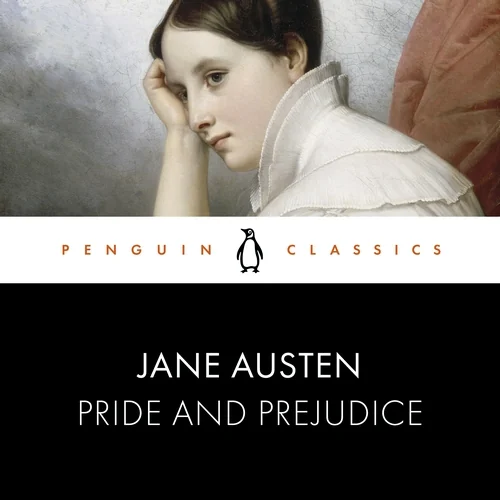 Pride and Prejudice, read by Indira VarmaView at PenguinRead our analysis
- 2Best epic to hear aloud
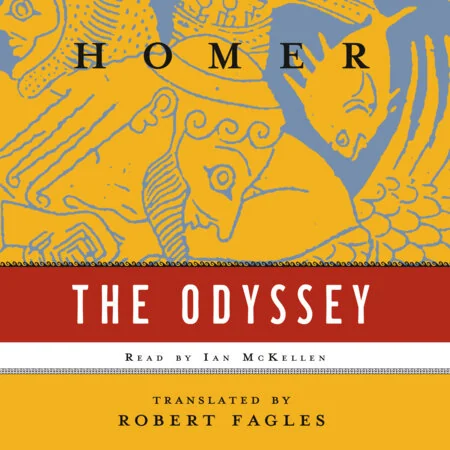 The Odyssey, read by Ian McKellenView at Penguin Random HouseRead our analysis
- 3Best companion epic
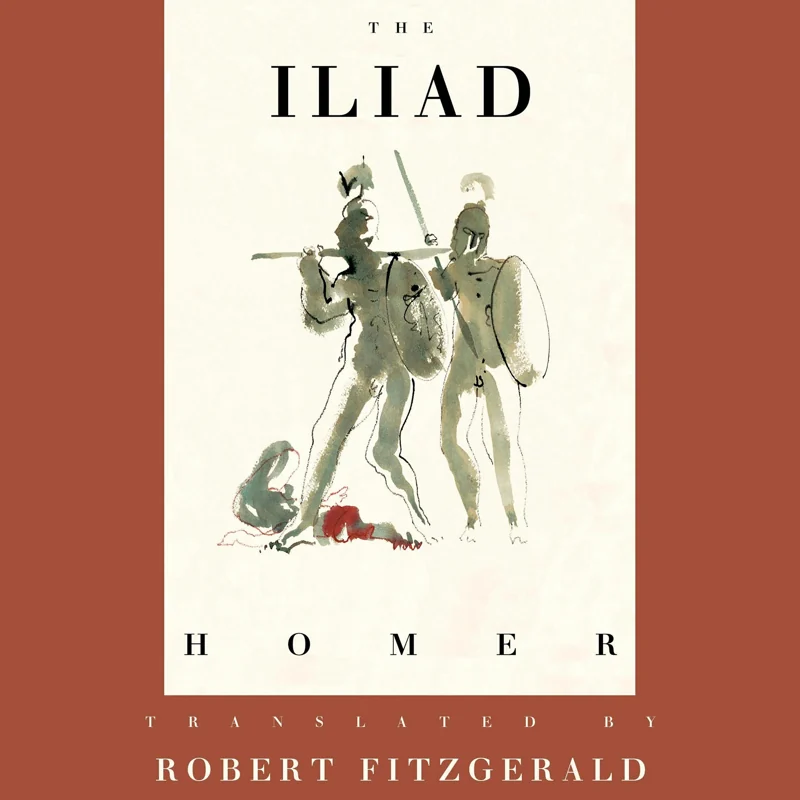 The Iliad (Fitzgerald translation), read by Dan StevensView at MacmillanRead our analysis
- 4Best short test of the format
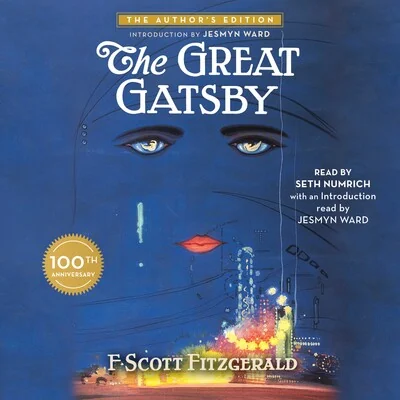 The Great Gatsby, read by Seth NumrichView at Simon & SchusterRead our analysis
- 5Best for a long commute
 Great Expectations, read by Harry LloydView at PenguinRead our analysis
- 6Best for a slow, patient listen
 Moby Dick, read by Pete CrossView at Dreamscape MediaRead our analysis
- 7Best for a single evening
 A Christmas Carol, read by Miriam MargolyesView at PenguinRead our analysis
- 8Best for a multi-voice recording
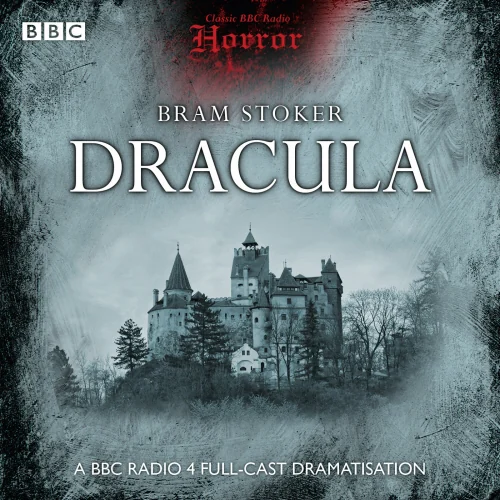 Dracula, BBC Radio 4 full-cast dramatisationView at PenguinRead our analysis
- 9Best for pairing with Pride and Prejudice
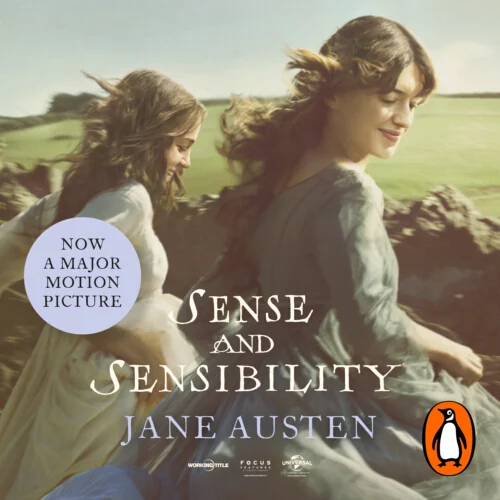 Sense and Sensibility, read by Nicola CoughlanView at PenguinRead our analysis
Classic literature is the best-served corner of the audiobook world. Most classics are public domain. So the same novel often exists as a free reading, a library loan, and a paid version too. That's good news for listeners.
But it means the best audiobooks of the classics are worth choosing on purpose. Each pick below names the narration worth seeking out. We group them by the kind of listening they suit.
TL;DR: start with an unabridged classic and a narrator you enjoy. The BBC Dracula below is a full-cast adaptation, rather than a complete reading. Try Indira Varma's Pride and Prejudice or Ian McKellen's Odyssey. Borrow them free through a library app when you can. Use LibriVox to sample public-domain books at no cost. Pay for Audible when you want to own a great performance.
We favor a steady reader for a complete novel; the BBC Dracula is a clearly labelled ensemble adaptation for listeners who prefer drama.
#1. Pride and Prejudice: Best for a first classic by ear
Pride and Prejudice, read by Indira Varma
Our verdict:
Best for a first classic by ear
Best for listeners who want a dialogue-led Austen novel as their first classic.
View at PenguinKeep in mind: one principal narrator carries the dialogue, so sample Varma's reading before choosing it.
Indira Varma performs this Penguin recording. Austen's conversations and social misunderstandings make the novel an approachable first classic by ear; sample the dialogue to see whether the voice suits you.
#2. The Odyssey: Best epic to hear aloud
The Odyssey, read by Ian McKellen
Our verdict:
Best epic to hear aloud
Best for listeners who want Homer performed rather than just read.
View at Penguin Random HouseKeep in mind: it's a single translation performed aloud, and other translations sound different by ear.
Homer was meant to be heard. Ian McKellen's reading of Robert Fagles's translation shows why. This Fagles translation is the one to look for.
#3. The Iliad: Best companion epic
The Iliad (Fitzgerald translation), read by Dan Stevens
Our verdict:
Best companion epic
Best for listeners who've heard The Odyssey and want Homer's other epic next.
View at MacmillanKeep in mind: it uses a different translation and a different narrator than the Odyssey pick above.
Dan Stevens reads Robert Fitzgerald's translation of Homer's Iliad. It's a good next step once you've heard The Odyssey by ear.
#4. The Great Gatsby: Best short test of the format
The Great Gatsby, read by Seth Numrich
Our verdict:
Best short test of the format
Best for listeners who want to try a classic audiobook without a big commitment.
View at Simon & SchusterKeep in mind: its short length means the narration is over almost as soon as you've settled in.
Seth Numrich reads this Simon & Schuster edition, which also includes introductory material. Gatsby's compact story is a good test of whether a 1920s novel works for you by ear, without a long-novel commitment.
#5. Great Expectations: Best for a long commute
Great Expectations, read by Harry Lloyd
Our verdict:
Best for a long commute
Best for listeners who want a long, plot-driven Dickens novel for a regular commute.
View at PenguinKeep in mind: it's a long novel told in one voice throughout, so it suits repeat short sessions more than one sitting.
Harry Lloyd reads Pip's story from the marshes to London in this Penguin edition. The novel is long enough to fill weeks of a regular commute; its changing fortunes give you a clear story to return to.
#6. Moby Dick: Best for a slow, patient listen
Our verdict:
Best for a slow, patient listen
Best for listeners who want a famously digressive novel read aloud at its own pace.
View at Dreamscape MediaKeep in mind: it digresses into whaling chapters between plot sections, so a listener wanting a fast story may lose patience.
Pete Cross reads this Dreamscape edition, a listen of nearly 24 hours. Melville's whaling digressions sit alongside Ahab's obsession, so the novel suits a patient listener who wants more than a fast-moving plot.
#7. A Christmas Carol: Best for a single evening
A Christmas Carol, read by Miriam Margolyes
Our verdict:
Best for a single evening
Best for listeners who want one short classic finished in one sitting.
View at PenguinKeep in mind: it's short, so some listeners want a longer classic lined up right after.
Miriam Margolyes reads this BBC recording of Dickens's ghost story. At a little over three hours, it fits an evening set aside for Scrooge's encounters with the ghosts.
#8. Dracula: Best for a multi-voice recording
Dracula, BBC Radio 4 full-cast dramatisation
Our verdict:
Best for a multi-voice recording
Best for listeners who want the vampire story performed by an ensemble.
View at PenguinKeep in mind: this BBC radio dramatisation adapts the novel; it is not an unabridged reading of every letter and diary entry.
Frederick Jaeger, Phyllis Logan and the BBC cast perform this radio dramatisation. It gives the vampire story an ensemble treatment with music and sound effects. Choose it for a performed adaptation; choose a separate unabridged reading if you want all of Stoker's letters and diary entries.
#9. Sense and Sensibility: Best for pairing with Pride and Prejudice
Sense and Sensibility, read by Nicola Coughlan
Our verdict:
Best for pairing with Pride and Prejudice
Best for listeners who enjoyed Pride and Prejudice above and want another Austen novel.
View at PenguinKeep in mind: it's a quieter, more restrained novel than Pride and Prejudice, so it suits a calmer mood.
Nicola Coughlan reads this Penguin edition of Sense and Sensibility. The contrasting Dashwood sisters make it a natural next Austen novel after Pride and Prejudice, with a different performer to sample.
Factors to consider when choosing the best audiobooks of the classics
A few questions narrow the list fast.
- Unabridged, not abridged. Look for the word on the listing. Compare the run time with the book's length. A 900-page novel runs well over 30 hours unabridged.
- Reading, not dramatization. Full-cast radio dramas are often wonderful, but they're adaptations. If you want the book itself, pick a straight reading.
- The translator, for translated books. An audiobook of Anna Karenina or The Odyssey is a recording of one specific translation. The listing should name it. If it doesn't, it's probably an old public-domain version.
- One narrator or many. Some productions switch narrators between characters or sections. That can help with books like Frankenstein or Dracula, which have several storytellers, but it can distract in others.
Where to get audiobooks of the classics
| Source | How you pay | Narration | Best for |
|---|---|---|---|
| Library apps (Libby, Hoopla) | Free with a library card | Professional | Trying famous recordings without buying |
| Audible | Monthly credit or per title | Professional, some full-cast | Owning a premium narration |
| Kindle Unlimited | Subscription | Audible narration on selected titles | Switching between reading and listening |
| Spotify Premium | Part of a music plan | Professional | Listeners who already pay for Spotify |
| Libro.fm | Monthly credit or per title | Professional | Supporting an independent bookstore |
| LibriVox | Free | Volunteer, varies | Public-domain books at no cost |
Scroll for more →
Each option has a catch. Library apps have waiting lists for popular titles.
Audible credits buy one book a month, however long it is. Spotify's plan gives a monthly allowance of listening hours, not unlimited listening. LibriVox is free but uneven. The guides below compare each service in depth.
Why classic audiobooks differ from new releases
A new novel usually has one official audiobook from its publisher. A public-domain classic can have dozens. Studios, publishers, volunteers, and individual narrators all record the same text.
That competition drives prices down. But it also means quality ranges from superb to poor for the same title. The first recording a store shows you is not always the best one.
The fix is simple. Play the sample of two or three versions before you choose. Narration style matters more than most listeners expect. A narrator you like can carry you through a long 19th-century novel.
Audiobooks versus print for classic literature
Listening helps most with prose style. A skilled narrator carries you through long 19th-century sentences. Those sentences can slow a first-time print reader. It also helps with dialect. Hearing Twain's or Hardy's characters spoken aloud is often easier than decoding the spelling on the page.
The trade-off is flipping back. Audio makes it harder to check who someone is. That matters for Russian novels with long names and nicknames.
A good compromise is to listen and keep the print or ebook edition nearby. Kindle's read-and-listen feature is built for exactly that. See our Kindle audiobooks guide.
Which service fits how you listen
The right service depends less on price than on two things: how many books you finish, and whether you want to keep them.
- You finish one or two books a month. A library app covers most of it for free. Add a single paid credit for the one recording you can't borrow.
- You listen every day and want to own your library. Audible's credit model suits you. Spend credits on long books and standout narrations, since a credit costs the same for a 5-hour book as a 40-hour one.
- You already pay for Spotify. Try its included audiobook hours before paying for anything else. Short classics fit comfortably inside the monthly allowance.
- You like to switch between reading and listening. Kindle's read-and-listen feature, through Kindle Unlimited titles or paired ebook and Audible purchases, keeps your place across both.
- You want to avoid subscriptions. Buy individual titles through Libro.fm, Apple Books or Google Play Books, and use LibriVox for public-domain books.
Our audiobook subscriptions guide and best audiobook app guide go through each service in detail.
A first listening order for classic audiobooks
If you've never listened to a classic, start short. Pick books with strong voices and clear plots. Then build up to the long ones.
- A Sherlock Holmes short story collection. Each story takes under an hour, so you can find out whether a Victorian narrator works for you.
- Pride and Prejudice. Dialogue-driven and funny. It's the classic most listeners say they enjoyed more by ear than on the page.
- Frankenstein. Short and gripping, with three storytellers that a good narrator keeps distinct.
- The Odyssey. A modern translation, read aloud, shows how the poem worked as spoken storytelling.
- Jane Eyre or a longer 19th-century novel. Once you're comfortable with the style, move up in length.
After those, try a longer Russian novel with a character list open beside you. The classics hub and the beginner reading path suggest what to read next in any format.
Common mistakes with classic audiobooks
- Buying the first version a store shows. The top result is often a cheap recording. Sample two or three before you pay.
- Speeding up too early. Older prose loses its rhythm at high speed. Start at normal speed and increase only once you're used to the narrator.
- Choosing an abridged edition by accident. Budget listings don't always say so clearly. The run time tells you.
- Picking the hardest book first. Ulysses or War and Peace by ear, as a first classic, is a hard way to start. Build up to them.
Print editions in this hub
A few guides here cover print and collectible editions rather than audio. These include Penguin Classics, Penguin Clothbound Classics, leather-bound editions, and the Folio Society. Many readers listen to a classic first. Then they buy a good print edition of the ones they love.
More in this guide
Every guide nested under this hub, from services and apps to print editions:
- Best Audiobook App: 8 Apps Compared for Listening to the Classics
- Audiobooks Subscription Options: Which Plan Fits How You Listen
- 10 Good Audiobooks on Audible Worth a Credit
- Kindle Audiobooks: How Read & Listen Works, and Where Kindle Unlimited Fits
- YouTube Audiobooks: What's Legal, What's Good and How to Find It
- 10 Best Thriller Audiobooks That Work Best by Ear
- 10 Best Autobiography Audiobooks to Start With
- Penguin Classics: What the Line Includes, Its Imprints and Which Editions to Buy
- 9 Best Penguin Clothbound Classics to Start a Shelf
- 5 Best Leather Bound Books to Start a Shelf
- Folio Society Editions: What You're Paying For, and How to Buy Well
For a slower introduction to the format, our Audiobook Month guide explains the June celebration and offers a plan for listening closely to one recording.
For teen listening, our Amazing Audiobooks for Young Adults guide links to YALSA's 2022 selection and explains how to match a title to its narrator.
Verdict
The best audiobooks for classic literature are unabridged, single-narrator recordings. They work best with strong dialogue and plot. Borrow them free through Libby or Hoopla first.
Sample LibriVox for public-domain titles. Spend an Audible credit only on a performance you'll want to hear again. Indira Varma's Pride and Prejudice and Ian McKellen's Odyssey are good examples.
Our picks in this topic
10 picks
10 Best Autobiography Audiobooks to Start With in 2026
Ten autobiography and memoir audiobooks, from Becoming and Born a Crime to Long Walk to Freedom and Frederick Douglass, with who narrates each and how to choose.
10 picks
10 Good Audiobooks on Audible Worth a Credit in 2026
Ten good audiobooks on Audible, classic and modern, with who narrates each, plus how to judge a narration, spend credits wisely and avoid abridged editions.
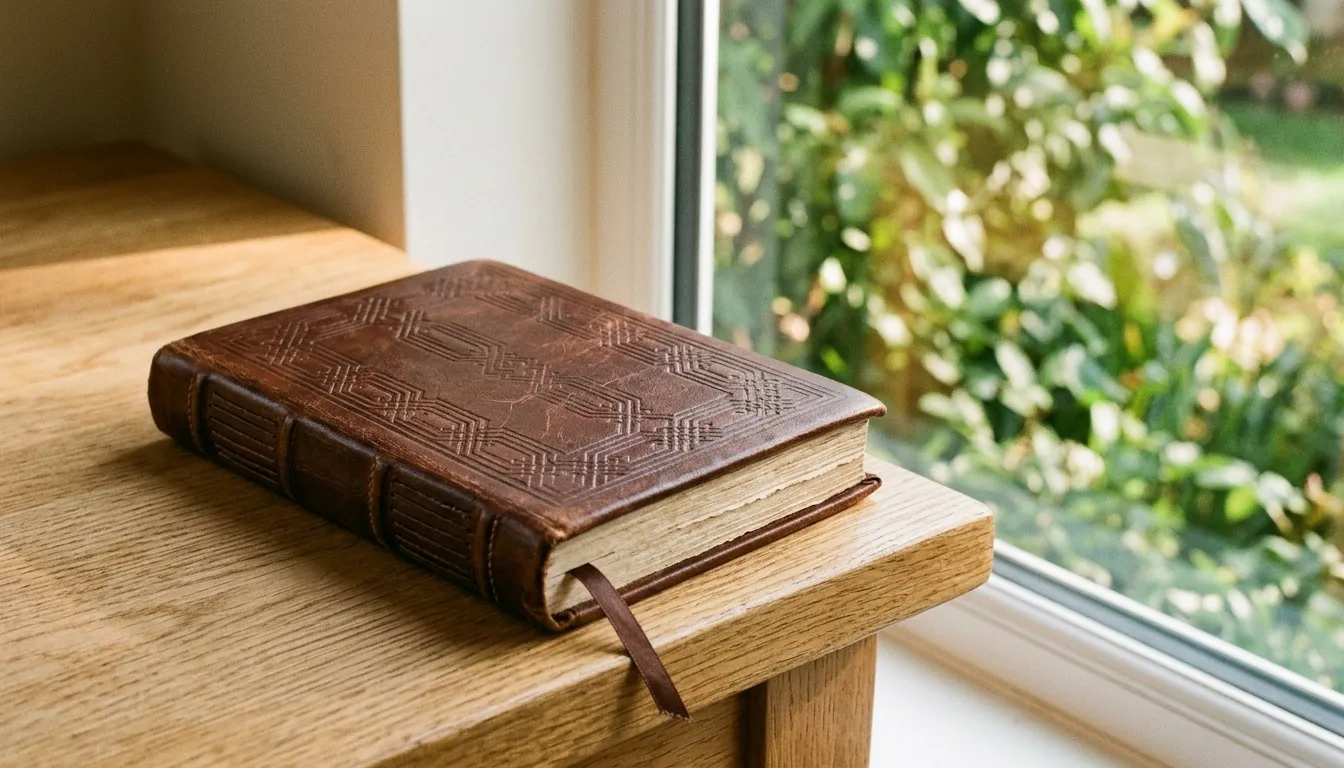
5 picks
5 Best Leather Bound Books to Start a Shelf in 2026
What leather bound books really are, genuine versus bonded and faux leather, who makes them, how to care for them, and five classic leather-bound editions to start a shelf.
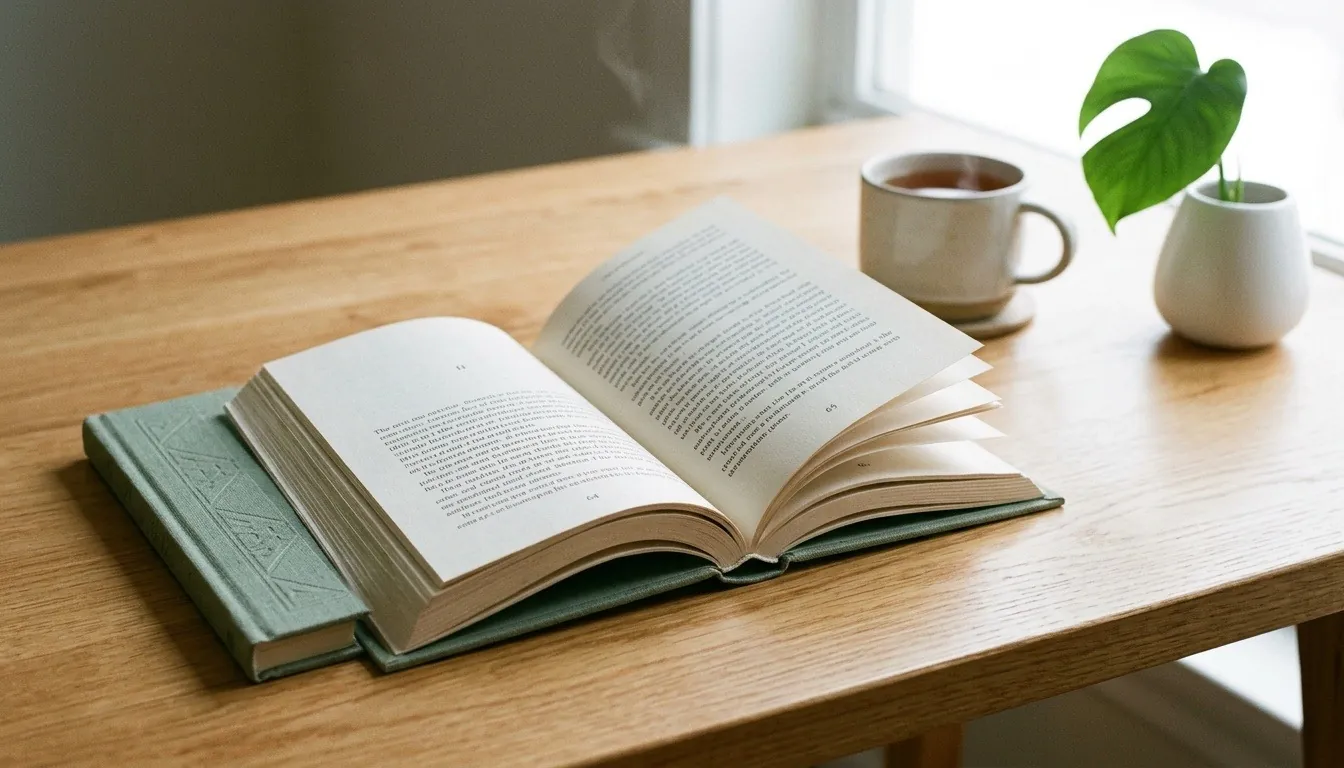
9 picks
9 Best Penguin Clothbound Classics to Start a Shelf in 2026
What makes Penguin Clothbound Classics different from other editions, who they suit, and nine good first titles, from Frankenstein and Jane Eyre to Anna Karenina and Dracula.
10 picks
10 Best Thriller Audiobooks That Work Best by Ear in 2026
Ten thriller audiobooks, from The Woman in White and Dracula to Rebecca, The Talented Mr Ripley and Gone Girl, and why suspense works so well in audio.
Questions people also ask
Are classic-literature audiobooks unabridged?
Most are, but not all. Check for the word unabridged on the listing and compare the run time with the book's length. A long novel with a run time of a few hours is almost certainly abridged. Radio dramatizations are adaptations, not full readings, even when they're excellent.
Is a free LibriVox recording as good as a paid Audible one?
The words are the same, since both read a public-domain text. The difference is the performance. LibriVox readers are volunteers and some books change reader from chapter to chapter. A paid recording has one professional narrator and consistent audio. Many listeners start with LibriVox and pay only for books they want to hear performed well.
Does Kindle Unlimited include audiobooks?
Some. Kindle Unlimited includes a selection of titles with Audible narration that you can switch between reading and listening. It's a limited set, not the whole Audible catalog, so check the specific book before subscribing for audio.
Can I listen to classic audiobooks for free?
Yes. Library apps such as Libby and Hoopla lend professional audiobooks with a library card. LibriVox offers free volunteer recordings of public-domain books. YouTube also hosts many public-domain readings, though quality and legality of uploads vary.
Which classics work best as audiobooks?
Dialogue-heavy books with a clear plot: Austen, Dickens, the Sherlock Holmes stories, Frankenstein and The Odyssey. Books with huge casts or dense structure, such as War and Peace or Ulysses, are harder by ear, so keep a character list or the print text nearby.
Do I need a special app?
No. Audible, Libby and Spotify have their own apps, and LibriVox files play in any podcast or audio player. Our best audiobook app guide compares the options if you listen every day.