
10 Best Books of All Time Beyond the Novel in 2026
As an Amazon Associate, this website earns from qualifying purchases.
The short answer
Beyond the novel, the big lists keep naming Homer, Shakespeare, Dante and Marcus Aurelius. Start with a short one, such as Hamlet or the Meditations.
Last updated September 2026
Contents22
- #1. The Iliad: Best ancient epic to start the list
- #2. The Odyssey: Best ancient epic for a first read
- #3. Hamlet: Best play on the list
- #4. The Canterbury Tales: Best pick for medieval English poetry
- #5. Beowulf: Best short epic poem
- #6. The Divine Comedy: Best long poem on the list
- #7. Leaves of Grass: Best American poetry starting point
- #8. Meditations: Best short work of philosophy
- #9. The Complete Essays: Best long work of nonfiction
- #10. Don Quixote: Best comic epic and first novel
- Factors to consider when choosing the best books of all time
- The famous best books of all time lists, and what each one measures
- Where the best books of all time lists agree
- Four reading paths through the best books
- One first pick for each kind of reader
- Editions and translations for the best books of all time
- More forms worth exploring beyond the ten picks above
- Where to get the best books of all time for less
- How to use a best-books list without burning out
- Common mistakes with best-books lists
- More in this guide
- Verdict
Our top 10 picks
- 1Best ancient epic to start the list
 The Iliad, translated by Robert Fagles (Penguin Classics)
- Homer's epic of the Trojan War
- Verse translation by Robert Fagles
- Penguin Classics deckle-edge paperback
- 2Best ancient epic for a first read
 The Odyssey, translated by Emily Wilson
- Homer's epic of Odysseus's journey home
- Translated by Emily Wilson (2017) in plain verse
- W. W. Norton paperback
- 3Best play on the list
 Hamlet (Folger Shakespeare Library)
- By William Shakespeare, written around 1600
- Folger Shakespeare Library edition
- Facing-page notes beside the text
- 4Best pick for medieval English poetry
 The Canterbury Tales, translated by Nevill Coghill (Penguin Classics)
- By Geoffrey Chaucer, written in the late 1300s
- Modern English verse translation by Nevill Coghill
- Penguin Classics paperback
- 5Best short epic poem
 Beowulf, translated by Seamus Heaney (Bilingual Edition)
- Old English epic poem, anonymous
- Verse translation by Seamus Heaney
- Old English text on the facing page
- 6Best long poem on the list
 The Divine Comedy, translated by Allen Mandelbaum (Everyman's Library)
- By Dante Alighieri, completed around 1320
- Inferno, Purgatorio and Paradiso in one volume
- Everyman's Library hardcover, translated by Allen Mandelbaum
- 7Best American poetry starting point
 Leaves of Grass: The First (1855) Edition (Penguin Classics)
- Poems by Walt Whitman
- The first 1855 edition, before later revisions
- Penguin Classics paperback
- 8Best short work of philosophy
 Meditations, translated by Gregory Hays (Modern Library)
- By Marcus Aurelius, written around 170 to 180
- Modern English translation by Gregory Hays
- Modern Library paperback
- 9Best long work of nonfiction
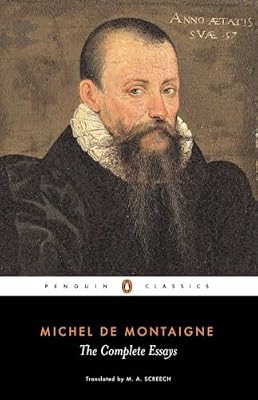 The Complete Essays of Montaigne (Penguin Classics)
- By Michel de Montaigne, first published 1580 to 1595
- Translated by M. A. Screech
- Penguin Classics paperback
- 10Best comic epic and first novel
 Don Quixote, translated by Edith Grossman
- By Miguel de Cervantes, published in 1605 and 1615
- Translated by Edith Grossman, introduction by Harold Bloom
- Ecco paperback
Every "best books of all time" list answers a slightly different question. A critic ranks craft. A bookseller counts copies. A TV audience votes for the book it loves. A library network counts how many shelves a title sits on.
This hub explains what the famous lists measure, and shows where they agree. Most "best books" talk is really talk about the novel. This page looks past the novel, at ten picks from epic, drama, poetry and nonfiction, plus four longer reading paths. For the novel side, see our best novels of all time guide.
TL;DR: no single list of the best books of all time exists, and the famous ones disagree for good reasons. Beyond the novel, the lists keep naming the same handful of works: Homer's two epics, Shakespeare's Hamlet, Dante's Divine Comedy, Chaucer's Canterbury Tales, Beowulf, Walt Whitman's poems, and Marcus Aurelius and Montaigne for nonfiction. Start with a short one, such as Hamlet or the Meditations. Then build up to the longer epics. For novels, see our best novels of all time guide.
#1. The Iliad: Best ancient epic to start the list
The Iliad, translated by Robert Fagles (Penguin Classics)
Our verdict:
Best ancient epic to start the list
Best for readers who want the oldest war story on most best-books lists.
View on Amazon- Homer's epic of the Trojan War
- Verse translation by Robert Fagles
- Penguin Classics deckle-edge paperback
Keep in mind: the many named warriors and long battle scenes take patience at first.
Product details checked September 2026
Homer's epic tells the story of the Trojan War. It sits on nearly every "best books" list that reaches back before the novel. Robert Fagles's verse translation moves at a fast pace. Read it alongside The Odyssey for a two-book start in ancient epic.
#2. The Odyssey: Best ancient epic for a first read
The Odyssey, translated by Emily Wilson
Our verdict:
Best ancient epic for a first read
Best for readers who want to start with the more approachable of the two Homer epics.
View on Amazon- Homer's epic of Odysseus's journey home
- Translated by Emily Wilson (2017) in plain verse
- W. W. Norton paperback
Keep in mind: a modern verse translation still asks for patience with long lists of names.
Product details checked September 2026
Homer's second epic follows Odysseus on his ten-year trip home after the Trojan War. It has monsters, gods and a long sea voyage. It reads better in a modern translation than its old reputation suggests. Emily Wilson's version is clear and quick.
#3. Hamlet: Best play on the list
Hamlet (Folger Shakespeare Library)
Our verdict:
Best play on the list
Best for readers who want the single most cited work of drama on best-books lists.
View on Amazon- By William Shakespeare, written around 1600
- Folger Shakespeare Library edition
- Facing-page notes beside the text
Keep in mind: it is written to be watched or read aloud, so silent solo reading loses some of its effect.
Product details checked September 2026
Shakespeare's tragedy of the Danish prince shows up on nearly every list that includes drama. The Folger Shakespeare Library edition prints notes on the facing page. That helps on a first read of the older English.
#4. The Canterbury Tales: Best pick for medieval English poetry
The Canterbury Tales, translated by Nevill Coghill (Penguin Classics)
Our verdict:
Best pick for medieval English poetry
Best for readers curious about English literature before Shakespeare.
View on Amazon- By Geoffrey Chaucer, written in the late 1300s
- Modern English verse translation by Nevill Coghill
- Penguin Classics paperback
Keep in mind: the tales vary widely in tone, so a few land better than others.
Product details checked September 2026
Geoffrey Chaucer's collection of stories is told by pilgrims on the road to Canterbury. It's the best-known work of English poetry before Shakespeare. Nevill Coghill's Penguin Classics translation turns the old Middle English into modern verse, and it keeps the rhyme.
#5. Beowulf: Best short epic poem
Beowulf, translated by Seamus Heaney (Bilingual Edition)
Our verdict:
Best short epic poem
Best for readers who want the oldest English epic in one sitting.
View on Amazon- Old English epic poem, anonymous
- Verse translation by Seamus Heaney
- Old English text on the facing page
Keep in mind: the Old English text on the facing page is a reminder of how much has changed in the language, not something most readers will use.
Product details checked September 2026
This poem has no known author. It follows a hero who fights three monsters, and it's the oldest epic in the English language. Seamus Heaney's verse translation is the standard modern version. It's short enough to read in one evening.
#6. The Divine Comedy: Best long poem on the list
The Divine Comedy, translated by Allen Mandelbaum (Everyman's Library)
Our verdict:
Best long poem on the list
Best for readers ready for a longer, three-part poem with real structure.
View on Amazon- By Dante Alighieri, completed around 1320
- Inferno, Purgatorio and Paradiso in one volume
- Everyman's Library hardcover, translated by Allen Mandelbaum
Keep in mind: the many historical and theological references benefit from an edition with notes.
Product details checked September 2026
Dante's poem has three parts, following a journey through Hell, Purgatory and Heaven. It's the long poem that world-literature lists name most often. Allen Mandelbaum's translation, in the Everyman's Library hardcover, is a widely recommended modern version.
#7. Leaves of Grass: Best American poetry starting point
Leaves of Grass: The First (1855) Edition (Penguin Classics)
Our verdict:
Best American poetry starting point
Best for readers who want the poem collection most often named as the great American one.
View on Amazon- Poems by Walt Whitman
- The first 1855 edition, before later revisions
- Penguin Classics paperback
Keep in mind: the free verse and long lines feel loose compared with rhymed, metered poetry.
Product details checked September 2026
Walt Whitman first published this collection in 1855. It's the American starting point most best-books lists reach for on the poetry side. This Penguin Classics edition reprints that original 1855 text, before Whitman's later revisions.
#8. Meditations: Best short work of philosophy
Meditations, translated by Gregory Hays (Modern Library)
Our verdict:
Best short work of philosophy
Best for readers who want a short, practical work of philosophy rather than a long argument.
View on Amazon- By Marcus Aurelius, written around 170 to 180
- Modern English translation by Gregory Hays
- Modern Library paperback
Keep in mind: it was written as private notes, not a structured book, so it reads best a few entries at a time.
Product details checked September 2026
Marcus Aurelius wrote these private notes on Stoic philosophy around 170 to 180. It's the nonfiction title most best-books lists agree on. Gregory Hays's Modern Library translation is plain and easy to read, and short enough to finish in a weekend.
#9. The Complete Essays: Best long work of nonfiction
The Complete Essays of Montaigne (Penguin Classics)
Our verdict:
Best long work of nonfiction
Best for readers who want to sample nonfiction essays rather than read cover to cover.
View on Amazon- By Michel de Montaigne, first published 1580 to 1595
- Translated by M. A. Screech
- Penguin Classics paperback
Keep in mind: the full collection is long, so most readers dip in rather than read it straight through.
Product details checked September 2026
Michel de Montaigne wrote these essays between 1580 and 1595. Many credit him with starting the essay as a form of writing. Translator M.A. Screech's Penguin Classics version is the standard modern English edition. The essays work well read a few at a time.
#10. Don Quixote: Best comic epic and first novel
Don Quixote, translated by Edith Grossman
Our verdict:
Best comic epic and first novel
Best for readers who want the book many call the first modern novel.
View on Amazon- By Miguel de Cervantes, published in 1605 and 1615
- Translated by Edith Grossman, introduction by Harold Bloom
- Ecco paperback
Keep in mind: it is long and episodic, so it suits reading in short bursts.
Product details checked September 2026
Miguel de Cervantes's two-part novel was the Bokklubben poll's pick as the single best work of fiction. It sits between old epic storytelling and the modern novel. Edith Grossman's translation is the modern choice, and it's a demanding, rewarding finish. For more novels like it, see our best novels of all time guide.
Factors to consider when choosing the best books of all time
A few questions narrow any list fast.
- How much time do you have? Hamlet, Beowulf and the Meditations fit a weekend. The Iliad, the Divine Comedy and Montaigne's Essays take weeks.
- English only, or world literature too? Lists limited to English skip Homer, Dante and Cervantes by design. Check a world-literature list alongside an English one.
- Is it a translation? For the Iliad, the Odyssey, the Divine Comedy and Don Quixote, the translator's name matters as much as the author's.
- Novel, or something older? If you want fiction specifically, our best novels of all time guide covers that side of the list.
The famous best books of all time lists, and what each one measures
Most arguments about "the best books" are really arguments about method. Here are the lists that come up most often, with what each one is built on.
- Modern Library 100 Best Novels (1998). A board of writers and editors ranked English-language novels of the 20th century. Ulysses came first, then The Great Gatsby. A separate online reader poll produced a very different list, topped by Ayn Rand's Atlas Shrugged.
- TIME All-TIME 100 Novels (2005). Critics Lev Grossman and Richard Lacayo chose 100 English-language novels published since 1923, the year TIME began. The list is alphabetical, not ranked.
- Bokklubben World Library (2002). The Norwegian Book Clubs asked 100 writers from 54 countries to name the most meaningful works of fiction. The list covers every language and century. Don Quixote was the one title singled out as the best.
- BBC The Big Read (2003). A UK public vote. The Lord of the Rings won, with Pride and Prejudice second.
- PBS The Great American Read (2018). A US public vote on best-loved novels. To Kill a Mockingbird won.
- Le Monde's 100 Books of the Century (1999). A French reader poll of 20th-century books in any language. Albert Camus's The Stranger came first.
- The Guardian's 100 best novels written in English (2013 to 2015). Critic Robert McCrum picked one novel per author and ran the list in date order, from The Pilgrim's Progress onward.
- OCLC Library 100. Library data rather than opinion: it ranks novels by how many libraries hold them in the WorldCat catalog.
- Goodreads "Best Books Ever". An open reader vote that anyone with an account can add to. It leans heavily toward books that are popular right now.
Once you know the method, the disagreements make sense. A list restricted to English and to the 20th century can't include Tolstoy. A public vote rewards books people read young and loved. A critics' board rewards ambition and influence. None of them is wrong; they just aren't measuring the same thing.
Where the best books of all time lists agree
The more useful signal is overlap. When a critics' list, a public vote and a library count all include the same book, that book has earned its place on more than one measure. A handful of titles clear that bar again and again.
- Jane Austen, Pride and Prejudice (1813). Second in the BBC Big Read, a fixture of critics' lists and of school reading. See our Pride and Prejudice guide.
- George Orwell, 1984 (1949). On the Modern Library and TIME lists and high in the public votes. See our 1984 guide.
- F. Scott Fitzgerald, The Great Gatsby (1925). Second on the Modern Library board's list and on TIME's list. Under 200 pages in most editions.
- Leo Tolstoy, Anna Karenina (1878) and War and Peace (1869). Absent from English-only lists by definition, but near the top of most lists that allow translation.
- Miguel de Cervantes, Don Quixote (1605 and 1615). The Bokklubben poll's top pick, and a regular on world-literature lists.
- Herman Melville, Moby-Dick (1851) and Mark Twain, Adventures of Huckleberry Finn (1884). The two American 19th-century novels that turn up most often.
- Homer, The Odyssey. The oldest book on most general lists, and far more readable in a modern translation than its reputation suggests.
That overlap is a practical shortcut. If you only want a handful of books that nearly everyone agrees on, start here. For our own curated short list, see classic books everyone should read.
Four reading paths through the best books
A list tells you what to read. A path tells you what to read next. Each of these four paths starts with an approachable book and builds toward the harder ones.
Path 1: short classics first
This path suits readers who want to finish books quickly and build confidence. Start with The Great Gatsby, then Animal Farm or 1984, then Mary Shelley's Frankenstein. Add Robert Louis Stevenson's Strange Case of Dr Jekyll and Mr Hyde and Charles Dickens's A Christmas Carol. Five books in, you've read across three centuries without a single 800-page commitment.
Path 2: the great 19th-century novels
This path suits readers who like long, immersive stories. Start with Pride and Prejudice, the shortest and lightest of the group. Move to Jane Eyre, then Great Expectations. When those feel comfortable, try Anna Karenina, then George Eliot's Middlemarch. Save War and Peace and Moby-Dick for last.
Path 3: world literature beyond English
This path suits readers who want range. Start with Camus's The Stranger, short and plain. Then read Chinua Achebe's Things Fall Apart (1958), then Gabriel Garcia Marquez's One Hundred Years of Solitude (1967). Follow with Crime and Punishment and finish with Don Quixote. Translation choice matters most on this path.
Path 4: the ancient epics and myths
This path suits readers who want to go back to the start. Begin with a retelling of the Greek myths, so the names and family trees are familiar. Then read The Odyssey, then The Iliad. Our Greek mythology books hub covers the retellings and translations in detail.
One first pick for each kind of reader
If a whole path feels like too much, start with a single book matched to what you already enjoy.
- You like thrillers and page-turners. Try Crime and Punishment. It opens with a murder and spends the rest of the book on the chase and the guilt that follows.
- You like romance and sharp dialogue. Try Pride and Prejudice. The comedy holds up, and the plot moves on conversation more than description.
- You like science fiction. Try Frankenstein or 1984. Both started genres that are still going, and both are short.
- You like fantasy and big invented worlds. Try The Odyssey in a modern translation. Monsters, gods, a sea voyage and a revenge ending, told fast.
- You like literary fiction. Try The Great Gatsby, then Mrs Dalloway. Both are short, and both show how the 1920s changed the novel.
- You read mostly nonfiction. Try a classic biography first, such as Ron Chernow's Alexander Hamilton, then a novel set in the same era.
Starting from taste rather than rank is the fastest way to find out which paths suit you.
Editions and translations for the best books of all time
The edition you choose changes the experience more than most readers expect. For books written in English, the main choice is between a plain text and an annotated one. For translated books, the translator shapes every sentence you read.
For 19th-century novels, a student edition with footnotes pays for itself. Penguin Classics, Oxford World's Classics and Norton Critical Editions all explain the period slang a modern reader misses. For 20th-century books, the plain text is usually enough. If you're unsure, read the free public-domain text first, and buy an annotated edition only if you keep stopping to look things up.
- The Odyssey and The Iliad. Emily Wilson's translations (2017 and 2023) are clear and brisk, close to line-for-line. Robert Fagles's versions (1990 and 1996) suit readers who want a grander tone.
- Don Quixote. Edith Grossman's 2003 translation is the most widely recommended modern version. John Rutherford's Penguin Classics translation is a good alternative.
- Anna Karenina and War and Peace. Richard Pevear and Larissa Volokhonsky's translations are the most common modern choice.
- Madame Bovary. Lydia Davis's 2010 translation is the best-known recent version.
- One Hundred Years of Solitude. Gregory Rabassa's translation is the standard English text.
- Crime and Punishment. Pevear and Volokhonsky, or Oliver Ready's newer Penguin version.
The rule of thumb: avoid the cheapest edition of a translated classic if you can't see the translator's name on the listing. Budget reprints often use old, stiff translations without saying so.
More forms worth exploring beyond the ten picks above
The ten picks above cover the works that come up most often. Each form has more behind it. If you want a broader shelf, these titles round out the same categories.
- More plays. Beyond Hamlet, Shakespeare's Macbeth and King Lear appear on nearly every list that includes drama. Greek tragedy (Sophocles's Oedipus Rex, Euripides's Medea) is short, and easier to start with than its age suggests.
- More poetry. Alongside Whitman, the poems of Emily Dickinson are a common second American starting point.
- More nonfiction. Alongside Marcus Aurelius and Montaigne, Henry David Thoreau's Walden (1854) and The Diary of a Young Girl by Anne Frank often cross over into general best-books lists. Biography has its own tradition. See the best biographies guide.
- Children's classics. Alice's Adventures in Wonderland (1865), The Adventures of Tom Sawyer (1876) and Little Women (1868) regularly appear on public-vote lists. They also reread well as an adult.
Where to get the best books of all time for less
You rarely need to pay full price for a classic. Three sources cover most of the older books on any list.
Public-domain libraries. Project Gutenberg and Standard Ebooks offer free, legal ebook texts of books whose US copyright has expired. As of 2026, that covers books published in the US before 1931, which includes The Great Gatsby, Frankenstein, Pride and Prejudice and every 19th-century novel named on this page.
Your public library. Apps such as Libby let you borrow ebooks and audiobooks with a library card. Library copies of modern translations are often the easiest way to try a translator before you buy.
Secondhand copies. Penguin Classics and Oxford World's Classics editions circulate widely secondhand. A used annotated edition is often a better buy than a new unannotated one.
The one place to spend money is on a modern translation or an annotated edition you'll actually use. That's where a paid copy gives you something the free text doesn't.
How to use a best-books list without burning out
Treat any list as a menu, not an assignment. A few habits make the difference between reading one classic and reading twenty.
- Pick the shortest book on the list first. Rank order usually reflects importance, not difficulty.
- Stay in one path for a while. Jumping from Homer to Joyce to a Russian novel in one month makes each book harder.
- Give a book 50 pages, not 500. If a famous book still isn't working after a fair try, stop. Pick a different title instead.
- Mix in audio for the long ones. A good narrator carries you through the slower chapters of a big 19th-century novel.
- Keep notes on editions. Write down which translation you read; if you love or hate a translated book, the translator is often part of the reason.
Common mistakes with best-books lists
- Trusting one list as the final word. Every list has a method and a bias. Two lists that agree are worth more than one list that ranks.
- Starting with the book everyone quits. Ulysses, In Search of Lost Time and Moby-Dick are rewarding but demanding. They make better fifth or tenth books than first ones.
- Buying a box set before you know your taste. A matched set looks good, but you'll read more if you buy one book, finish it and choose the next.
- Ignoring the translator. A stiff 19th-century translation can make a lively book feel dead. The fix costs nothing except checking the listing.
More in this guide
This hub covers the big lists and ten picks beyond the novel to start with. Six guides go deeper on one version of the "best books" question each.
- Best novels of all time: fiction only, with the named lists compared and the picks sorted by how demanding they are.
- Classic books everyone should read: a deliberately short list of ten, chosen to cover the main kinds of reading experience.
- Must-read books: ten widely read novels grouped by the kind of reading experience each one gives.
- Famous books: books known for their cultural reach, and whether the famous ones are worth reading.
- Most sold books of all time: the sales view, with a clear note on why those figures are estimates.
- Best biographies of all time: nonfiction lives, a different category with its own classics.
If you're new to older books in general, the best classic books for beginners guide gives a nine-book reading path that starts with short, plot-driven titles.
Verdict
The best books of all time go well beyond the novel: The Iliad and The Odyssey, Hamlet, The Canterbury Tales, Beowulf, The Divine Comedy, Whitman's poems, the Meditations, Montaigne's essays and Don Quixote all keep turning up on the famous lists. Pick one reading path from this hub, start with its shortest book, and choose a modern annotated edition or a named, recent translation. Then let the guides on novels, must-reads and biographies take you further.
Our picks in this topic

10 picks
10 Best Biographies of All Time by Subject in 2026
Ten of the best biographies of all time, from Chernow's Hamilton and Caro's The Power Broker to American Prometheus and Boswell's Life of Samuel Johnson, sorted by subject with what each one does best.
10 picks
10 Best Novels of All Time, From Quick Reads to Epics in 2026
Ten of the best novels of all time, drawn from the Modern Library, TIME, Guardian, BBC and Bokklubben lists, sorted from short and approachable to long and ambitious, with the edition or translation to buy.
10 picks
10 Must-Read Books Sorted by the Kind of Read You Want in 2026
Ten must-read books, from To Kill a Mockingbird and Pride and Prejudice to Beloved and One Hundred Years of Solitude, grouped by mood rather than rank, with an edition for each.
Questions people also ask
Who decides what counts as one of the best books of all time?
No single authority does. Lists come from publishers (the Modern Library), magazines (TIME), broadcasters (the BBC and PBS), newspapers (Le Monde, The Guardian), library data (OCLC) and reader votes (Goodreads). They use different rules and reach different answers. Treat any list, this hub included, as a starting point rather than a verdict.
What is the number one book of all time?
It depends on the list. The Modern Library's board put Ulysses first, the 2002 Bokklubben World Library poll singled out Don Quixote, BBC viewers voted for The Lord of the Rings in 2003, and PBS viewers chose To Kill a Mockingbird in 2018. The Bible tops most sales estimates. Each answer is correct for the question that list asked.
Should I read the most famous books first, or the ones I'll enjoy?
The ones you'll enjoy. A shorter, plot-driven title you finish does more for a reading habit than a famous one you abandon at page 80. The famous long books are still there when you're ready for them.
Are the best books of all time free to read?
Many are. Books published in the United States before 1931 are in the US public domain as of 2026, so older classics are free from Project Gutenberg, Standard Ebooks and most library apps. Modern translations of older books are a different matter: the translation itself is usually still under copyright, so the good English version of Don Quixote or Anna Karenina is rarely the free one.
Which translation should I pick for a book not written in English?
Pick a recent translation from a major publisher when you can, then read the first page of two versions side by side. The notes on this page cover the usual recommendations for Homer, Cervantes, Tolstoy, Flaubert and Garcia Marquez. When translators disagree, the one you find readable is the right one for you.
How many of the best books of all time should I try to read?
Fewer than the lists suggest. A reader who finishes ten well-chosen classics has seen most of what the canon offers: the social novel, the epic, the tragedy, the satire, the dystopia and the modernist experiment. Aim for one book at a time and let the next choice follow from what you liked.
Why do older best-books lists include so few women and non-Western writers?
Partly because of who got published and reviewed in earlier centuries, and partly because of who sat on the panels. Lists restricted to English-language novels also exclude most of the world by design. Newer lists and world-literature polls are broader. If you want range, follow a world-literature path and check a recent list alongside an older one.
Is it worth reading a best-books list in order?
Rarely. Numbered lists reflect a panel's judgment of importance, not a sensible reading sequence. You'll get more out of choosing by length and taste, and letting each book point you to the next.
Do audiobooks count?
Yes. Listening to a well-narrated unabridged edition is a legitimate way to read a classic, and for long 19th-century novels it's often the easier way. Our audiobooks hub covers listening apps and free options.