
Erskine Childers and The Riddle of the Sands
A source-grounded introduction to Erskine Childers's The Riddle of the Sands: its fictional frame, sailing detail and free Project Gutenberg text.
Last updated September 2026
Contents4
Erskine Childers's The Riddle of the Sands starts with an invite to sail, not a fight. Carruthers is bored in London. His old friend Davies asks him to join a trip in the Schleswig fiords. The title page calls the book “A Record of Secret Service Recently Achieved.” In the preface, Childers says he changed the names and year. It is a novel made to look like a report, not proof of a real spy mission.
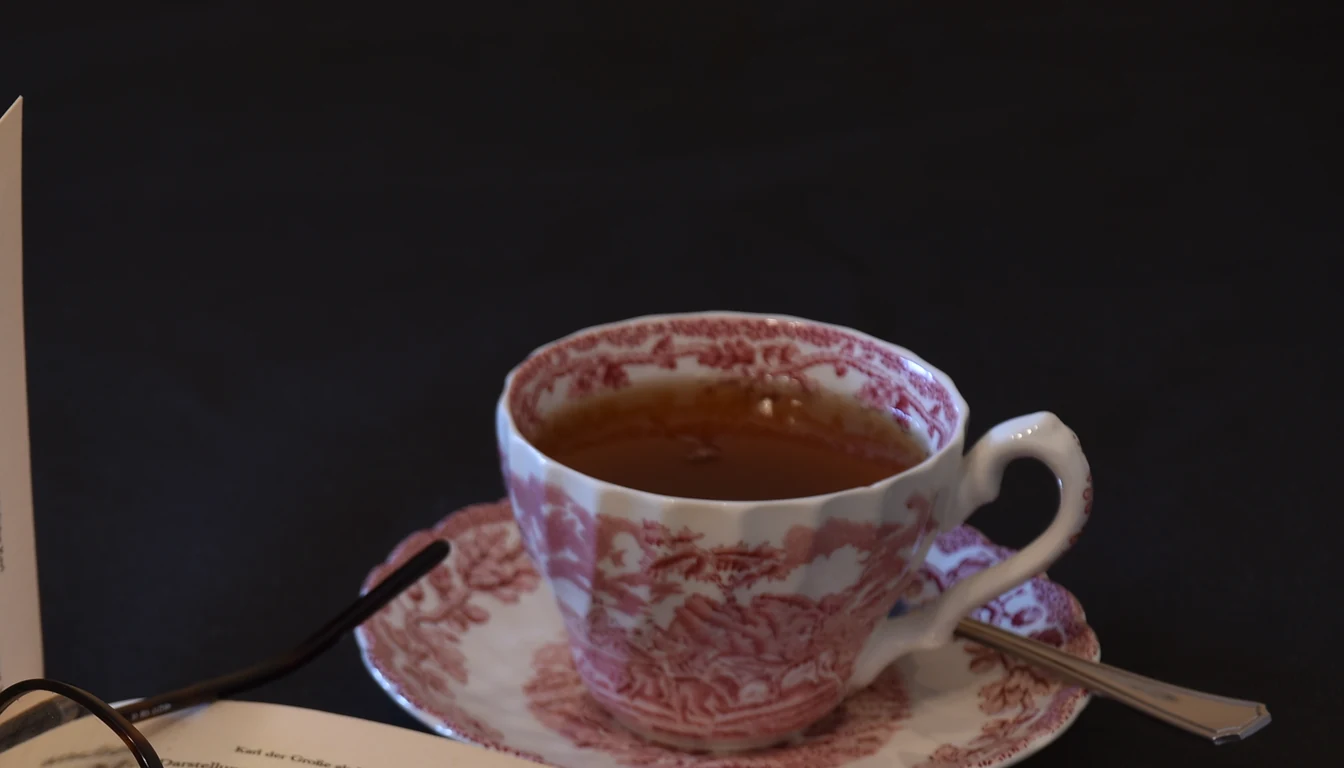
Image note: This is a staged reading photo, not a scene or copy from Childers's novel. Horst J. Meuter took it in 2018. It is CC BY-SA 4.0; the cropped copy keeps that license.

A sailing trip becomes a mystery
The boat, wind, charts, and tides help move the plot. Carruthers comes to Flensburg for a short holiday sail. But the early chapters focus on the Dulcibella and the tricky shallow water. The crew must learn the coast and boat to understand what they find.
The book's point of view
Carruthers tells the story in the first person, with an editor's frame around it. Childers says in the preface that the names and year are changed. The book sounds like a report, but it is fiction. Do not use its plot as proof of real German plans.
Where to read The Riddle of the Sands
Project Gutenberg offers the full English text as eBook 2360. The record lists the book, author, and topics such as sailing and spy stories. It says the text is public domain in the U.S. Readers in other lands should check local law.
Verdict
Read The Riddle of the Sands for a spy story where a small boat and a tricky coast matter. It moves from Carruthers's boredom in London to Davies's invite and the Dulcibella. The book is a made-up tale in the form of a report, not a true spy story.